Introduction
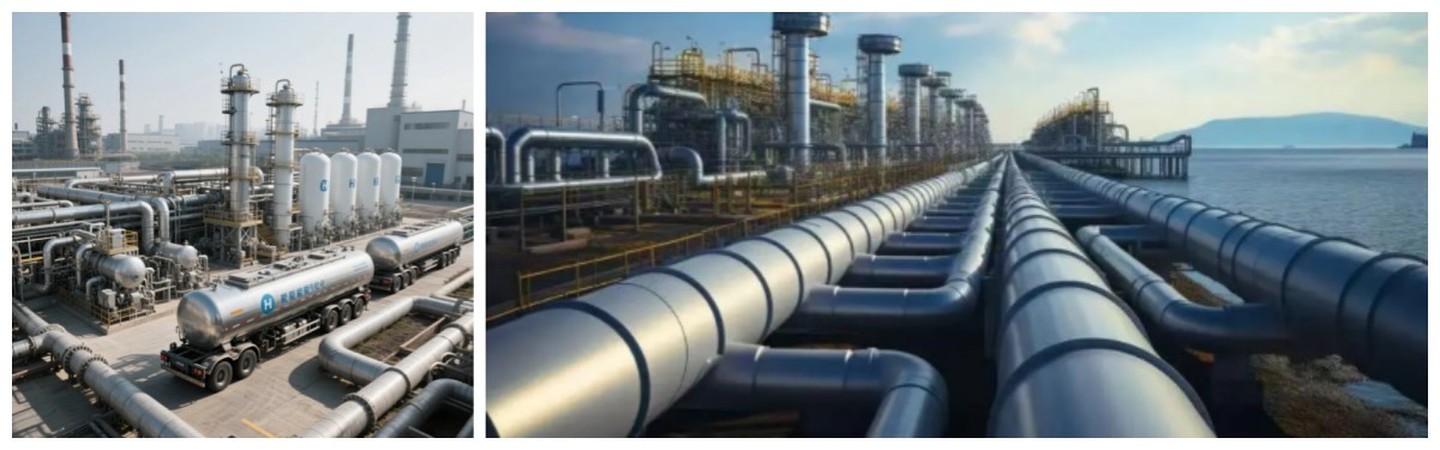
Oil and gas pipelines and transportation systems are the lifeline connecting oil and gas fields, processing plants and consumer markets, including land long-distance pipelines, gathering and transportation pipelines, gas distribution systems and related station facilities. These systems need to cross the complex geographical environment and climate zone, withstand the test of high-pressure transmission medium, external load and environmental corrosion all the year round, and require extremely high reliability and durability of materials.
Advantages & Key Features
Balance between ultra-high strength and toughness
Modern pipeline steels, such as X70, X80 and even X100 pipeline steels, have achieved a perfect balance between strength and toughness through microalloying and controlled rolling and controlled cooling processes. High strength can reduce the thickness of pipe wall and reduce the cost of materials and transportation; High toughness (especially low temperature toughness) can prevent brittle fracture of pipelines under high pressure, low temperature or geological disasters, and ensure the safe transportation of media.
Excellent welding performance and construction convenience
Pipeline steel has been designed with special composition, low carbon equivalent, excellent field welding performance and crack resistance in weld area. This enables hundreds or even thousands of kilometers of pipelines to carry out efficient field girth welding construction, and ensures that the mechanical properties of the whole line of welds match the base metal, which is the technical basis for large-scale construction of pipeline projects.
Strong corrosion resistance
In view of the corrosion of transportation media (such as sour oil and gas containing hydrogen sulfide) and soil environment, multi-level defense can be achieved by using corrosion-resistant alloy steel, or adding anti-corrosion coating on the inner wall of carbon steel pipe, combined with cathodic protection technology. Hydrogen induced cracking (HIC) and sulfide stress corrosion cracking (SSCC) pipeline steel used in acidic environment can effectively resist hydrogen sulfide corrosion by strictly controlling the purity and microstructure of the steel.
Good plastic deformation ability and strain adaptability.
Pipelines laid in earthquake zone, frozen soil area or submarine landslide area need to bear huge strain caused by ground displacement. Pipeline steel based on strain design (such as high strain X80 steel) has higher deformability, which can absorb in-situ stress through plastic deformation, avoid fracture and adapt to complex geological conditions.
Typical Applications
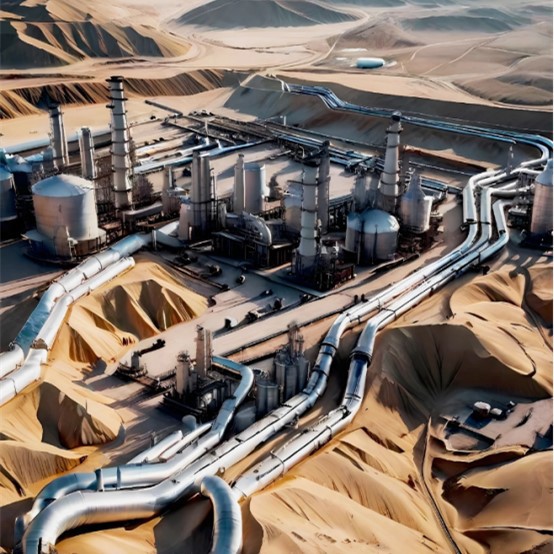
Trunk line of long-distance gas transmission pipeline
X80 steel grade is widely used, with a pipe diameter of 1,422 mm and a working pressure of 12 MPa. It is the core material for realizing major projects such as "West-to-East Gas Transmission".
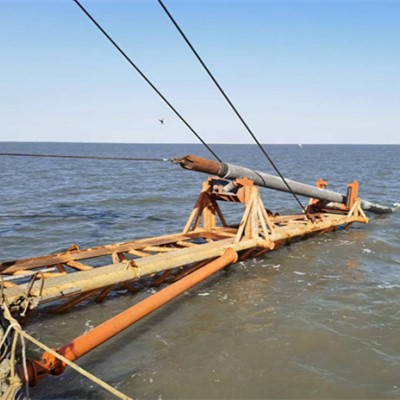
Submarine pipeline
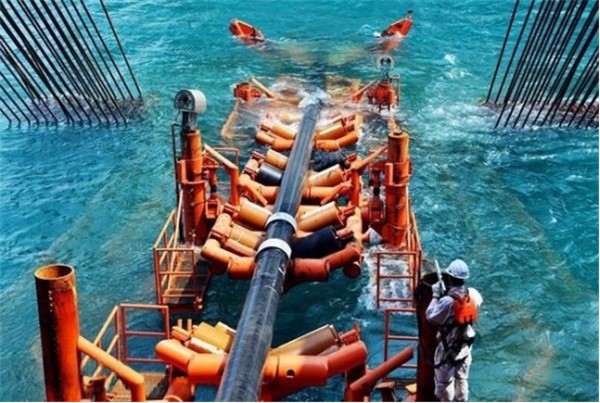
Thick-walled pipeline steel with higher strength, toughness and external collapse resistance is used, and it is often equipped with external concrete counterweight coating to prevent floating.
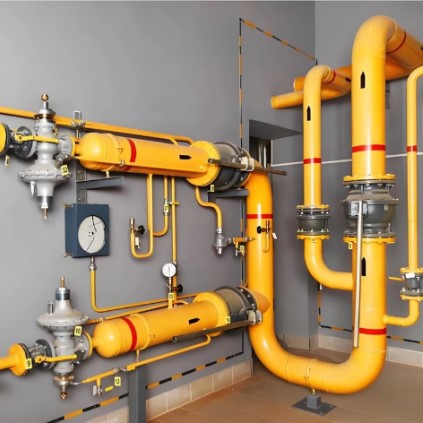
Urban gas pipeline network
PE pipes are mostly used in medium and low pressure pipeline networks, but steel pipes are still used in high pressure trunk lines and key nodes, and some of them are X52 or X60 steel grades with good toughness.
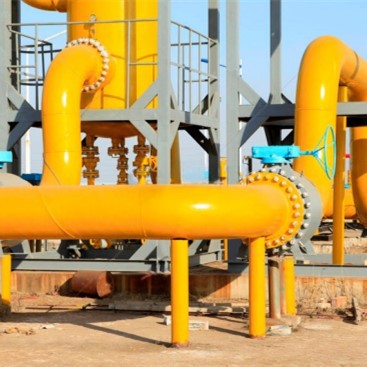
Gathering and transportation pipelines in sour oil and gas fields
pipeline steel with sulfide stress corrosion cracking resistance conforming to NACE MR0175/ISO 15156 standard is specially adopted.
Products Description
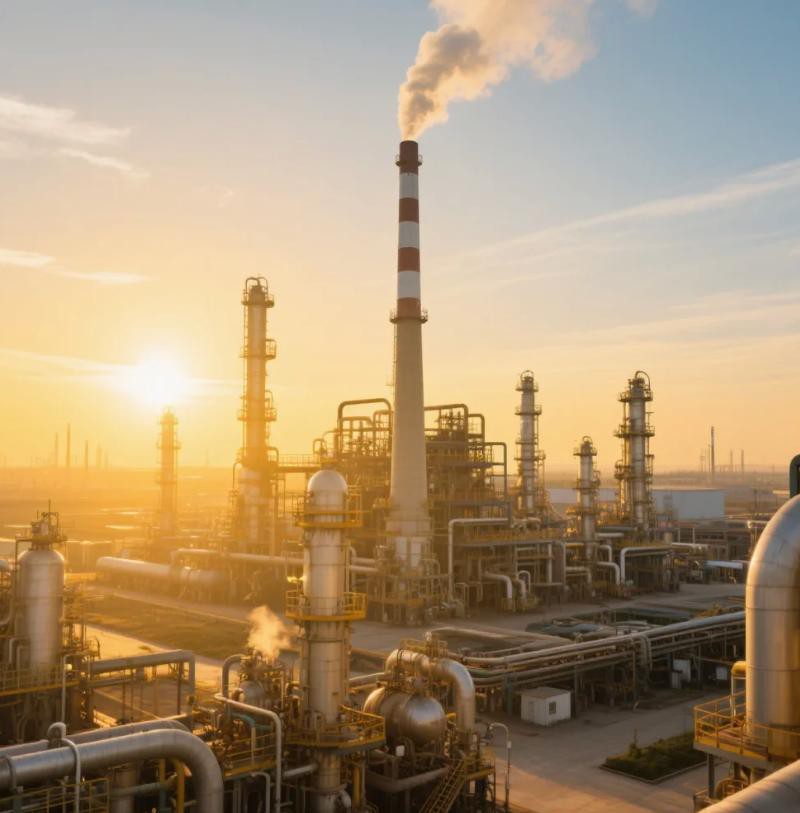
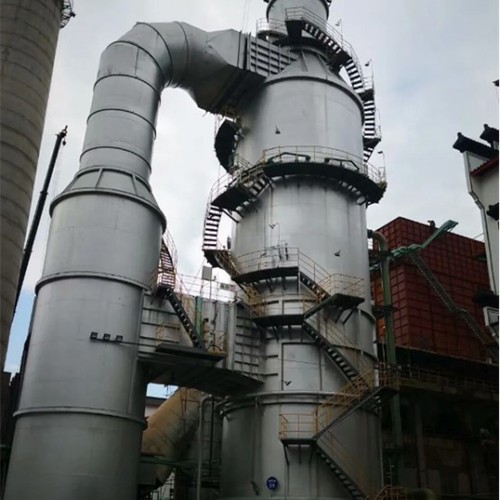
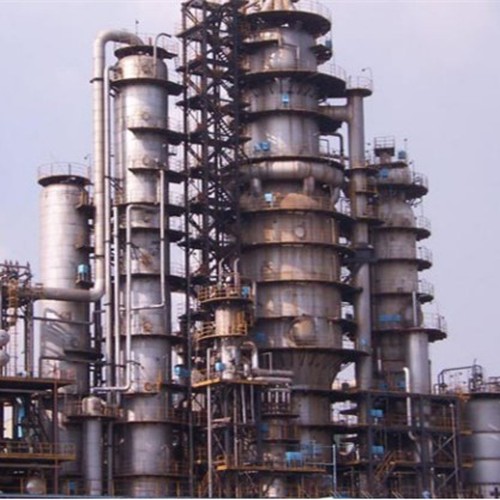
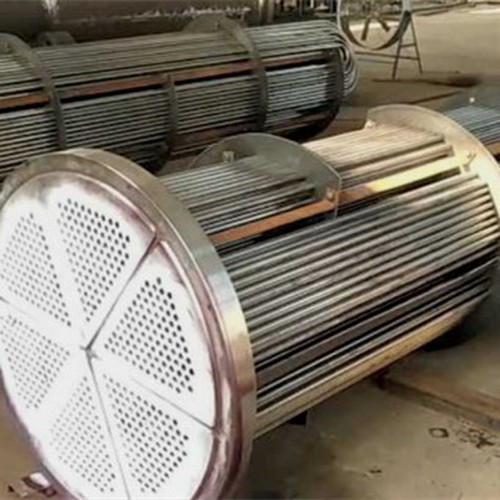
Refining and processing facilities are huge industrial complexes that transform crude oil into gasoline, diesel oil, aviation kerosene, chemical raw materials and other products through a series of complex physical and chemical processes such as atmospheric and vacuum distillation, catalytic cracking, hydrotreating and reforming. Its core is all kinds of reactors, towers, containers, heat exchangers and intricate process pipelines in the environment of high temperature, high pressure, hydrogen exposure and corrosive media.

Advantages & Key Features
Material stability under extreme working conditions
Hydrogenation reactors, high-pressure separators and other equipment operate at high temperature (400-500°C), high pressure (10-20MPa) and high hydrogen partial pressure. Choose 2.25Cr-1Mo (such as SA387 Gr.22), 3Cr-1Mo or even improved Cr-Mo steel. These materials have excellent high-temperature strength, hydrogen corrosion resistance and hydrogen embrittlement resistance, and are the core to ensure the safety of hydrogenation process.
Multi-environment corrosion resistance comprehensive performance
naphthenic acid corrosion, low-temperature wet hydrogen sulfide corrosion, stress corrosion cracking of polythionic acid, etc. According to the principle of "selecting materials according to corrosion", carbon steel (high cost performance), Cr-Mo alloy steel (high temperature sulfur/hydrogen resistance), austenitic stainless steel (such as 316L naphthenic acid resistance), duplex stainless steel (chloride ion stress corrosion resistance) and nickel-based alloy (used in the most harsh environment) are comprehensively selected to form an economical and effective material protection system.
Excellent manufacturing and maintainability
Large-scale refining and chemical equipment is mostly manufactured by on-site assembly welding. The good weldability and mature heat treatment process of steel ensure that giant towers and reactors can be reliably manufactured and repaired. The operations such as defect repair and surfacing lining in regular maintenance are also mainly based on the weldability of steel.
Extensive economy and mature standard system
From ordinary carbon steel to special alloy, steel has formed a complete price-performance pedigree, which provides a flexible and economical solution for equipment selection in different corrosive environments and pressure grades. ASME, API, GB and other standards have made detailed specifications on the materials, design, manufacture and inspection of steel for refining and chemical industry, ensuring the controllable quality and safety in the global scope.
Typical Applications
Introduction
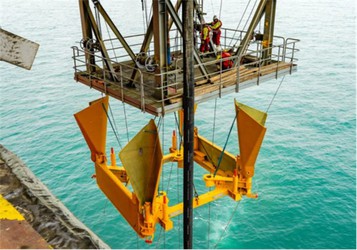
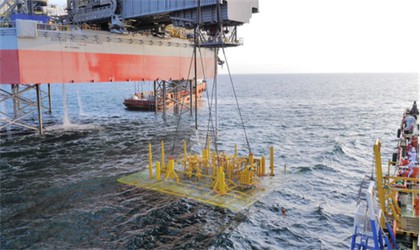
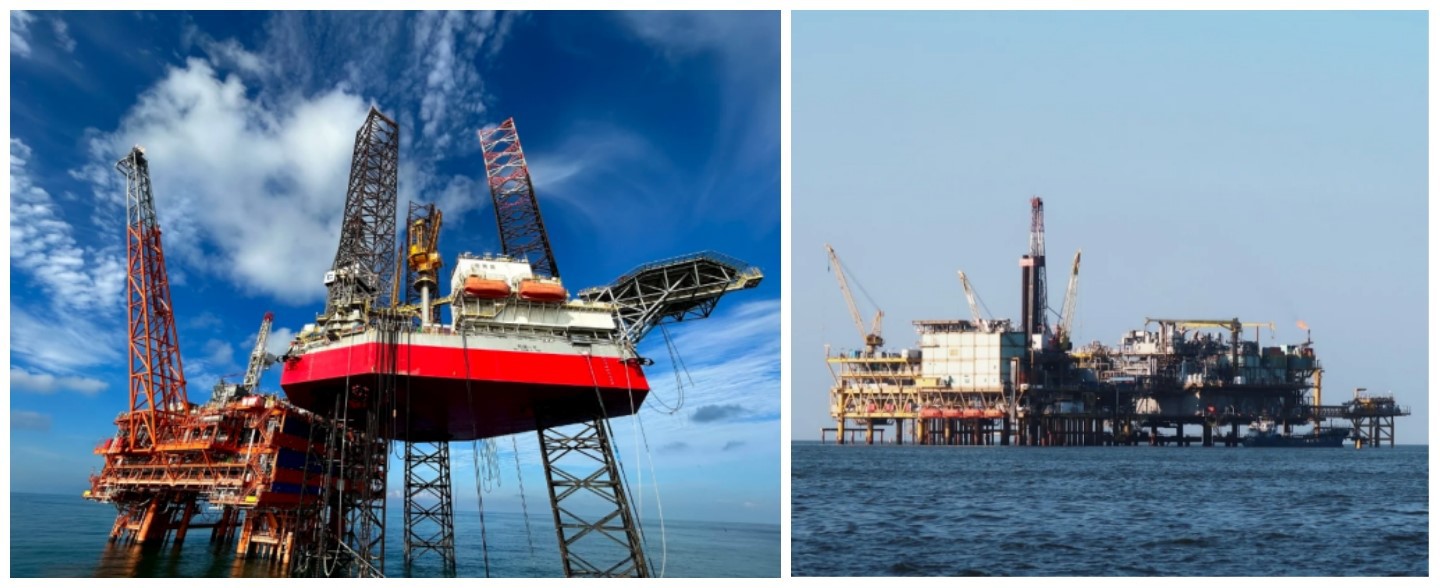
Offshore oil and gas development is the frontier for mankind to obtain resources from deep water and ultra-deep water, and its facilities include fixed platforms (jackets), floating production storage and unloading devices (FPSO), semi-submersible platforms and underwater production systems. The marine environment brings extreme load and corrosion challenges of wind, waves, currents, ice, earthquakes and high-pressure deep-sea environment, and the performance requirements of structural materials reach the peak of industry.
Advantages & Key Features
Unparalleled structural bearing capacity and fatigue resistance.
The main structures of offshore platforms, such as jackets and hull modules, need to bear huge cyclic loads of wind, waves and currents, and may experience hundreds of millions of stress cycles in their design life. Using high strength and toughness offshore platform steels (such as E36, E40, F grade steels) and paying special attention to their fatigue resistance in welding heat affected zone is the fundamental to prevent the structure from cracking and expanding failure under alternating load.
Excellent low temperature toughness
In the Arctic or cold sea area, steel must still have sufficient impact toughness at extremely low ambient temperature (such as-40 C and-60 C) to prevent the structure from brittle fracture at low temperature. Through strict metallurgical control and heat treatment, it is a prerequisite for polar development to produce steel plates that meet the specific requirements of Charpy impact energy at low temperature.
Strong synergy between seawater corrosion resistance and protection
The marine atmospheric zone, splash zone (the most serious corrosion), total immersion zone and marine mud zone constitute a complex corrosion environment. In addition to selecting low-alloy high-strength steel with seawater corrosion resistance, it is necessary to rely on the combined protection system of "heavy anti-corrosion coating+cathodic protection (sacrificial anode or impressed current)". As the protected body of cathodic protection, the electrical conductivity of steel and its electrochemical matching with anode materials are the basis for the effective work of the system.
Special performance to adapt to deep water and high pressure environment
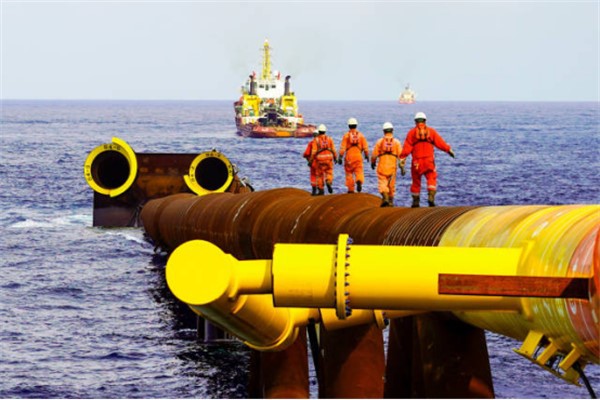
Deep-sea risers, underwater wellheads and pressure chambers bear extremely high hydrostatic pressure. It is necessary to use thick-walled steel pipes and special steel products with high yield strength, low yield ratio, good fracture toughness and external collapse resistance. The purity, uniformity and Z-direction (thickness direction) performance of materials are particularly important to prevent layered tearing.
Typical Applications
- Leg column and main structure of jacket platform: A large number of offshore platform steels conforming to API 2W and 2Y standards are used, such as E36/E40 steel plates with thickness exceeding 100mm, and strict Z-direction performance tests are conducted.
- FPSO hull and upper module: The hull is made of marine high-strength steel (AH36/DH36/EH36), and the upper process module is made of carbon steel, low-alloy steel or stainless steel according to the medium conditions.
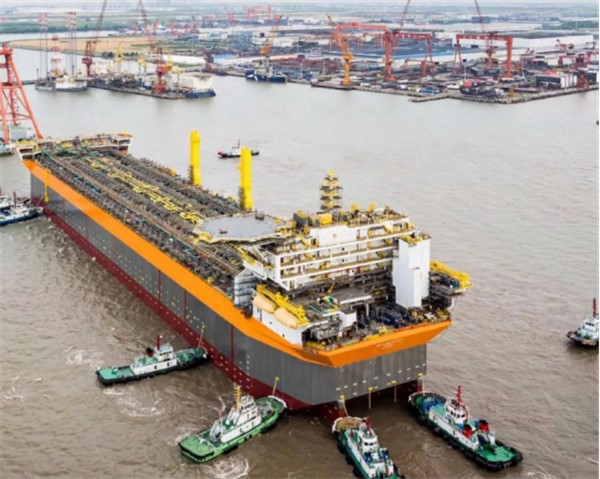
- Submarine pipeline and riser system: X65/X70 marine pipeline steel with higher design coefficient is adopted. Deep-water risers use high-strength thick-walled steel pipes or steel armor layers in flexible composite risers.
|
|
|
- Subsea Christmas tree and manifold: the core pressure-bearing components are made of high-strength low-alloy steel forgings (such as AISI 4130/4140), and the inner wall is covered with corrosion-resistant alloy surfacing or coating protection.
|
|
|